

Australian International Youth Drama, Speech & Debate Competition
Competition Overview
-
Public Speaking
Poetry Recitation
Drama Monologue
Storytelling
Note: Participants may register for multiple categories.
-
May 1 – June 20, 2026: Online Preliminary Round
August 1, 2026: Melbourne Semi-Final, finalists announced on the day
August 2, 2026: Global Grand Final
-
Junior Group: 6–9 years, 2 minutes
Intermediate Group: 10–12 years, 3 minutes
Senior Group: 13–15 years, 4 minutes
Advanced Group: 16–18 years, 5 minutes
-
Competition Format: Online video evaluation
Submission Requirements:
Video Format: Must be recorded in a single continuous take, with no editing or cuts.
Post-production: No filters, subtitles, background music, or post-production effects.
Filming Requirements: Stable camera and full-body framing are recommended.
Visibility: The performer must be clearly visible with adequate lighting.
Language & Content: English must be the primary language, and content must align with the competition theme and be age-appropriate.
Performance Guidelines: Memorization is encouraged. Younger participants may use minimal prompts.
Costumes & Props: Simple costumes or props are allowed.Submission Details: Deadline is June 20, 2026.
File Naming Format:
Name_Category_Age Group_Campus
Submission:
Please submit your preliminary round video through the submission form at the bottom of this webpage.
Registration Fee: 10 AUD / PP
Payment Details:
Account Name: YOUTH ARTS AND CULTURES INCORPORATED
BSB: 063245
Account Number: 11191604
Please upload your payment receipt together with your preliminary round video via the submission form below.
-
All participants will receive a professional judging report.
Finalists will be selected based on scores.
Results will be announced on July 1, 2026.
-
Location: Melbourne, Australia
Format: Live performance judged by a professional panel.
Language: English as the main language; bilingual elements are allowed.
Time Limit: Strictly enforced. 10% flexibility is allowed; overtime will affect scoring.
Props: Simple props are permitted; no large-scale stage setups.
Content: Original or adapted works are accepted. The theme should be positive and appropriate.
-
All participants will receive professional evaluation reports.
Top scorers will advance to the Grand Final.
The finalist list will be announced on August 1, 2026.
-
Location: Professional theatre, Melbourne, Australia
Time: August 2, 2026
Competition Format:
Finalists perform live on stage before an international panel of judges.
Judging criteria include vocal delivery, performance, stage presence, and overall impact.
Final results are determined based on comprehensive scoring.
Requirements:
Participants must comply with all stage safety and performance regulations.
-
Gold, Silver, and Bronze Awards
Overall Championship Awards
Official certificates and trophies
Outstanding participants may receive international exchange opportunities
-
Voice: 20%
Clarity, pronunciation, tone qualityPerformance: 20%
Expression, emotional deliveryCommunication: 20%
Confidence, fluency, audience engagementTechnique: 15%
Rhythm, control, stage techniqueInterpretation: 15%
Creativity, understanding, originalityOverall Impact: 10%
Stage presence, professionalism
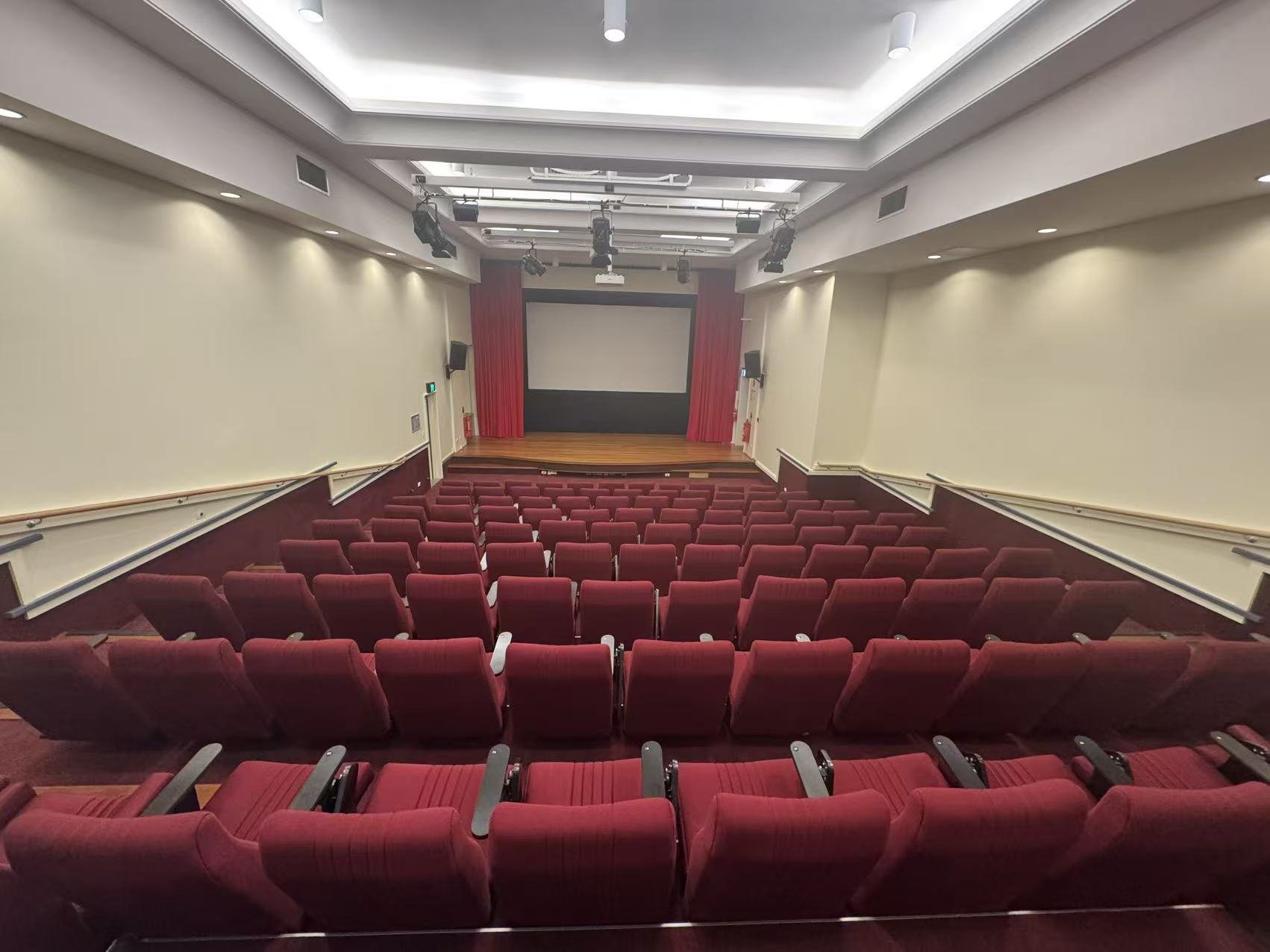
August 1, 2026: Melbourne Semi-Final
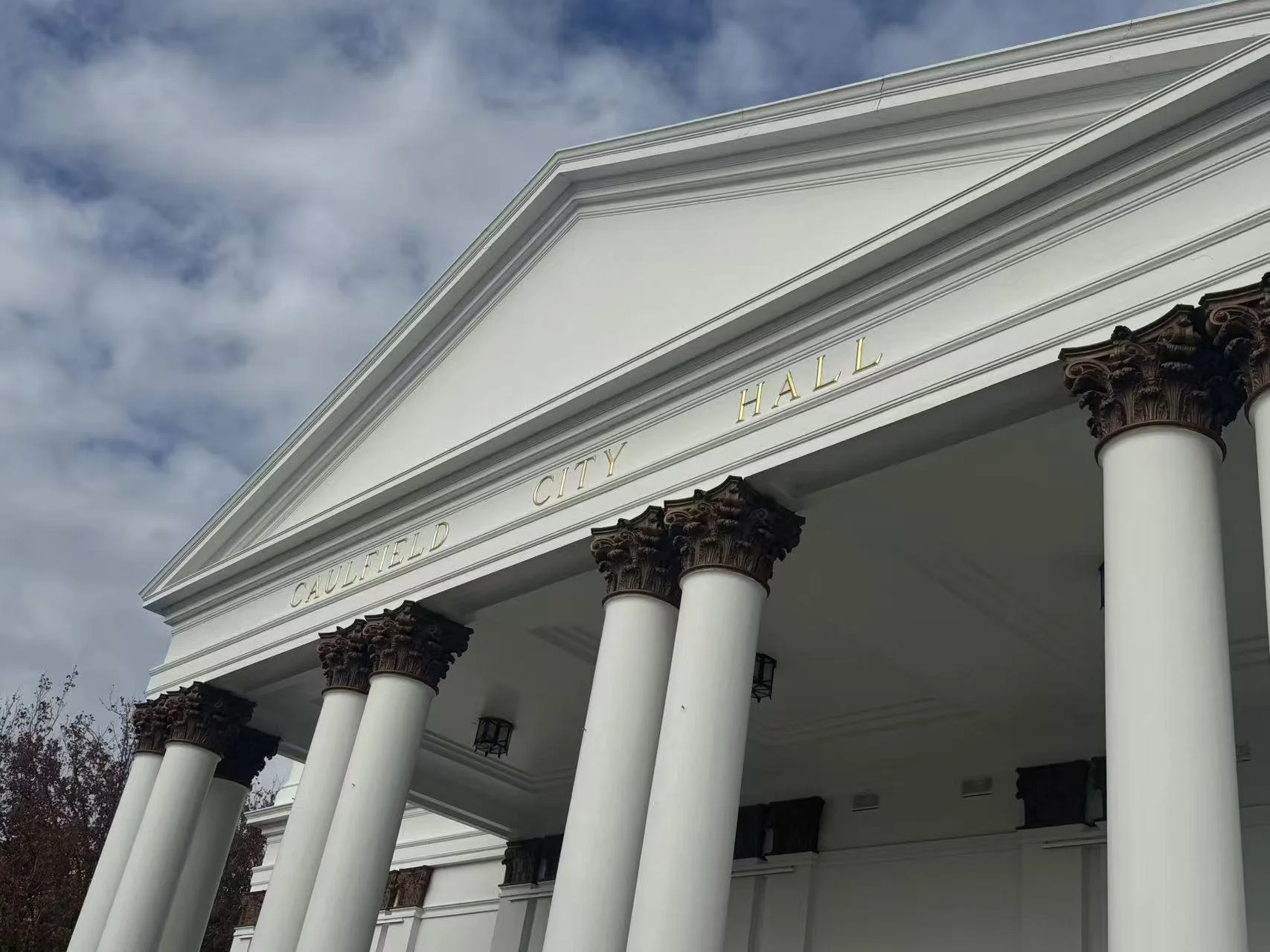
Address: Caulfield City Hall - Theatre, 420 glen eira rd, caulfield vic 3162
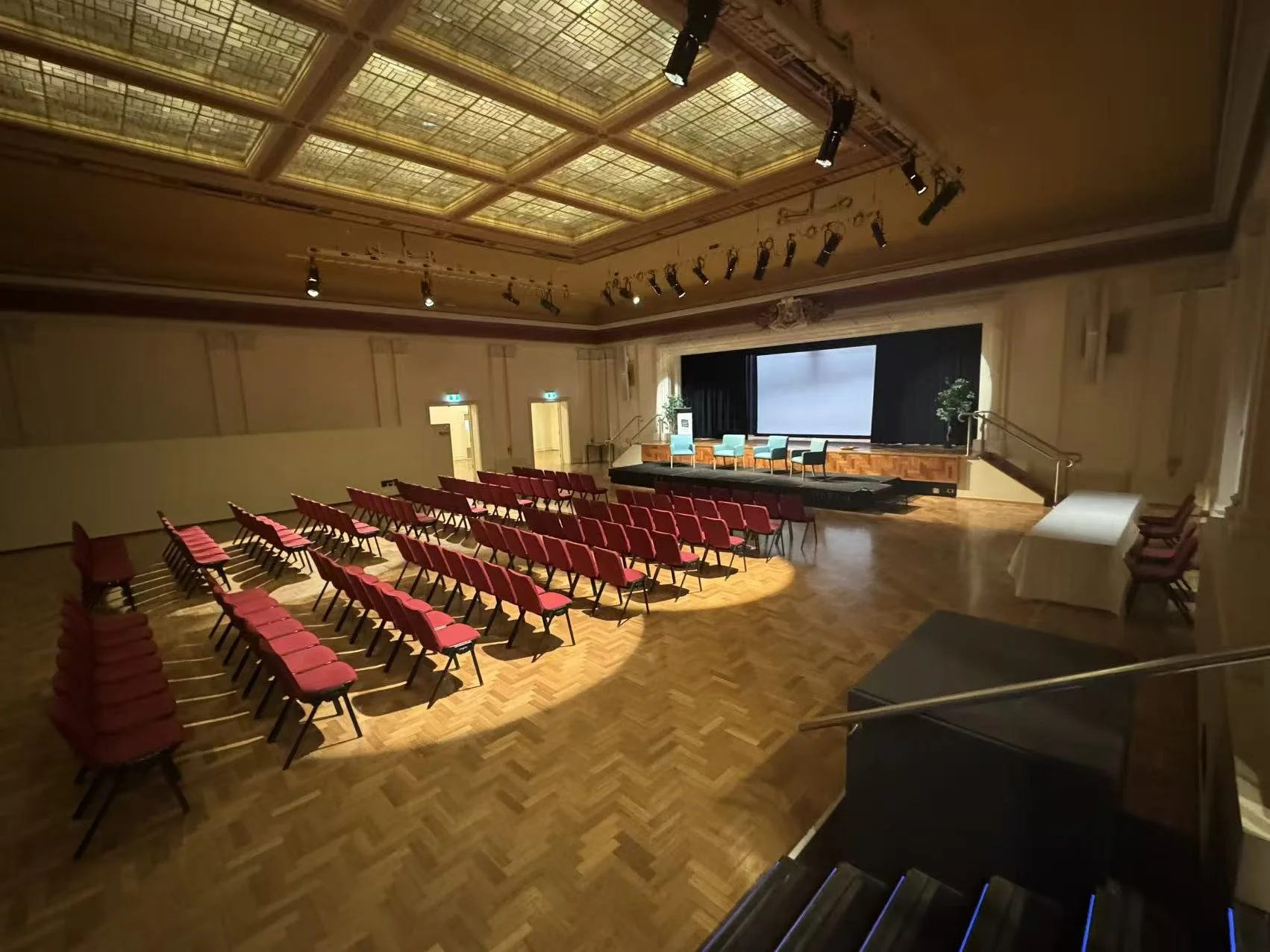
August 2, 2026: Global Grand Final
Address: Caulfield City Hall - Auditorium , 420 glen eira rd, caulfield vic 3162
Meet Our Convenor and Adjudicators
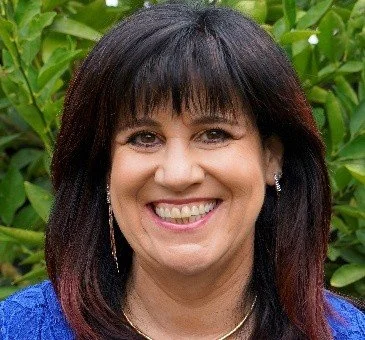
DELYSE WEISZ
ADJUDICATOR
She is excited to play a role as convenor, hasing been an avid supporter since 1995, entering many award-winning students. She is a passionate advocate for Speech and Drama and Theatre in education as building blocks for confident, expressive and effective communication on stage and in everyday life.
She commitment to excellence and enthusiasm for the arts, will elevate the Australian international youth drama speech and debate competition to new heights, attracting participants and audiences from all over the region. She looks forward to celebrating the diverse talents of performers, providing a platform for both emerging and seasoned artists to shine.
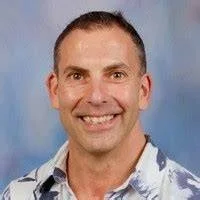
ELI EREZ
ADJUDICATOR
Eli Erez is currently the Head of Performance at The King David School and has over 30 years experience as a Drama educator. He is a recipient of the Drama Victoria Life Member award for his contributions to Drama Education. He has worked in various roles for the Victorian Curriculum and Assessment Authority including; Performance Examination Assessor for VCE Drama and Theatre Studies and Panel Member for the Top Class Theatre Studies Concerts.
Eli has facilitated workshops for various organisations including Drama Victoria, Melbourne Theatre Company and Malthouse Theatre. He has developed education resources for the Melbourne International Arts Festival, the Victorian Arts Centre and various independent productions including Jersey Boys, Come From Away and Wicked. Eli has also worked professionally as a director, writer, set designer, performer and puppeteer.
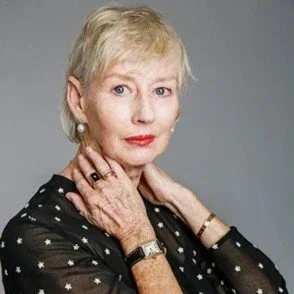
Lyndy Clarke
ADJUDICATOR
Lyndy Clarke is a highly respected drama educator, public speaking specialist, and experienced adjudicator. She has served as Head of Theatre at Caulfield Grammar for 26 years and is a Past President of Drama Victoria. She is also a board member of Drama Australia and the Director of Special Projects, Guidelines, and ADEM.
With training from RADA, experience as a VCE examiner, and a strong background in Shakespearean studies, theatre, and public speaking, Lyndy brings outstanding expertise to the competition. Her passion, professionalism, and dedication to the arts make her a valuable adjudicator for the Australian International Youth Drama, Speech and Debate Competition.
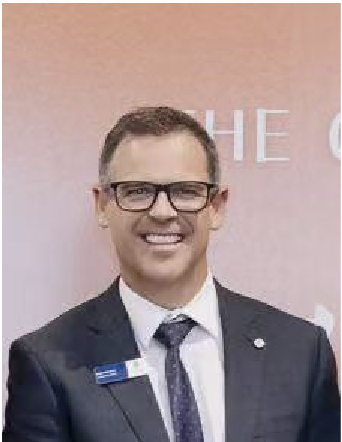
Mark Ashmore
ADJUDICATOR
Mr. Mark Ashmore, Principal of Salesian College Chadstone. Mr. Ashmore has 26 years’ experience in secondary boys’ schools. He has extensive experience as a Principal and Deputy Principal leading students, staff and the community with integrity in learning and teaching, wellbeing, and global citizenship. He is currently serving as the President of Australian Pacific Salesian Principals Association, Member of Principals Association Victorian Catholic Secondary Schools, Associated Catholic College Principal Committee and is a Council
Speech Topic Selection Guidelines
-
Public Speaking — Prepared
Why my pet (real or imaginary) is the best
The day everything in my house came alive
Why kindness is a superpower
The best mistake I ever made
If I could invent a new holiday
Poetry Performance
A.A. Milne – When We Were Very Young, Now We Are Six
Gentle humour, rhythm, character voices.Kenn Nesbitt – The Armpit of Doom, My Hippo Has the Hiccups
Modern, funny, child-friendly.Shel Silverstein – Where the Sidewalk Ends, A Light in the Attic
Whimsical, imaginative.Michael Rosen – Quick, Let’s Get Out of Here!
Great for expressive performance.Jack Prelutsky – The New Kid on the Block
Strong rhythm and character.
Published Storytelling(can write your own)
Enid Blyton – Stories for Bedtime, The Wishing Chair
Usborne Illustrated Stories series, e.g. Illustrated Stories for Children
Grimm’s Fairy Tales, child-friendly retellings
Margaret Mahy – The Lion in the Meadow
Pamela Allen – Alexander’s Outing, Who Sank the Boat?
Great for animated storytelling.
Dramatic Monologues
Michael Morpurgo – The Butterfly Lion
Child monologue extracts.David Wood – Plays for Children, e.g. The Gingerbread Man, The Witches adaptation
Deborah Patterson – Monologues for Kids
Annie Fox – Short Monologues for Kids
-
Public Speaking — Prepared
Why imagination matters more than ever
The moment I realised I could do something difficult
Why stories help us understand the world
What I learned from a big failure
Why everyone should try something new
Poems
Roald Dahl – Revolting Rhymes, Dirty Beasts
Twisted fairytales, great for vocal play.James Carter – Hey Little Bug! and other collections
Strong imagery and rhythm.Rachel Rooney – The Language of Cat
Beautiful metaphors, accessible depth.Valerie Bloom – Fruits
Caribbean rhythms, joyful performance.
Duologues / Pair Scenes
Roger McGough – The Great Smile Robbery
Dialogue sections.David Wood – The See-Saw Tree, The Selfish Shellfish
Annie Fox – Kids’ Two-Person Scenes
Drama Notebook – Duologue Packs
Storytelling
Andy Griffiths – Just So Stories
Retellings.Rudyard Kipling – Just So Stories
Strong narrative voice.Roald Dahl – The Wonderful Story of Henry Sugar
Selected stories.Shaun Tan – Tales from Outer Suburbia
Atmospheric, imaginative.
Published Dramatic Monologues
Janet Stanford & Susan Ross – The Monologue Show: From the Black Lagoon
Kerry Muir – Young Actors’ Monologue Book
Deborah Patterson – More Monologues for Kids
Plays by Mary Pope Osborne – Magic Tree House stage adaptations
Published Duologues / Pair Scenes
Roger McGough – The Great Smile Robbery
Dialogue sections.David Wood – The See-Saw Tree, The Selfish Shellfish
Annie Fox – Kids’ Two-Person Scenes
Drama Notebook – Duologue Packs
-
Public Speaking — Prepared
Why courage often looks quiet
The power of starting again
What teenagers wish adults understood
Why creativity is a survival skill
How small actions create big change
Poems
Carol Ann Duffy – New & Collected Poems for Children
Character-driven, layered.Benjamin Zephaniah – Talking Turkeys, Funky Chickens
Energetic, rhythmic.Brian Patten – Gargling with Jelly
Emotional nuance.
Storytelling
Neil Gaiman – Smoke and Mirrors
Selected age-appropriate stories.David Almond – My Name is Mina
Extracts.Anthony Horowitz – Short Stories with a Twist
Kate DiCamillo – The Tale of Despereaux
Extracts.
Published Dramatic Monologues
Lindsay Price – Theatrefolk Monologue Collections
Laurie Allen – Short Scenes and Monologues for Middle School Students
Don Zolidis – The Brothers Grimm Spectaculathon
Extracts.Alan Haehnel – Competition Monologues
Published Duologues / Pair Scenes
Don Zolidis – The Brothers Grimm Spectaculathon
Duo scenes.Alan Haehnel – Scared Silly
Comic duos.Lindsay Price – Scene Books for Teens
D. M. Larson – Acting Scripts for Teens
-
Public Speaking — Prepared
The moment I realised I had a voice
Why failure is essential for growth
The stories we tell ourselves — and how they shape us
The difference between confidence and courage
How creativity helps us navigate uncertainty
Poems
Hollie McNish – Plum
Contemporary spoken-word style.Sarah Kay – No Matter the Wreckage
Emotional, lyrical.Lang Leav – Love & Misadventure
Accessible contemporary poetry.Simon Armitage – Selected Poems
Strong imagery and subtext.
Storytelling
Ray Bradbury – The Illustrated Man
Selected stories.Jhumpa Lahiri – Interpreter of Maladies
Selected stories.Tim Winton – The Turning
Selected stories.O. Henry – The Gift of the Magi and other stories
Oscar Wilde – Short stories
Monologues
The Methuen Drama Book of Monologues for Young Actors
Monologues from contemporary playwrights, rights required:
Simon Stephens
Lucy Prebble
Annie Baker
Nick Payne
The Oberon Book of Modern Monologues for Women/Men
The Kilroys List
Extracts with permission.
Published Duologues / Pair Scenes
Oberon Books – Modern Duologues for Young Actors
Nick Payne – Constellations
Extracts.Simon Stephens – Punk Rock
Selected scenes.Annie Baker – Circle Mirror Transformation
Duo scenes.The Kilroys List
Contemporary female-driven duologues.
-
Poems / Stories
Poetry Foundation
https://www.poetryfoundation.orgPoemHunter
https://www.poemhunter.comStoryberries
https://www.storyberries.comOxford Owl
https://www.oxfordowl.co.ukAmerican Literature
https://americanliterature.comEast of the Web — Short Stories
https://www.eastoftheweb.com/short-stories
Monologues / Duologues
StageAgent
https://stageagent.com/monologuesDrama Notebook
https://www.dramanotebook.comTheatrefolk
https://www.theatrefolk.comFreescripts / Freedrama
https://freedrama.net
Reminder
All topics for the three rounds are listed here.
Participants may choose from the provided topics for the Preliminary, Semi-final, and Final rounds.
It is recommended to select different topics for each round, as this helps judges better see the participant’s range and versatility.